Content is King. Distribution is Given.
Universal Music Group.

"The way to win is to work, work, work, work and hope to have a few insights." –Charlie Munger
As a bottom-up, opportunistic investor you tend to fall on opportunities outside your historical circle of competence. This was the case when I researched Netflix back in May of 2022.
NFLX returned ~7X since publishing and that piece can be found here. The stock is now in a ~50% drawdown causing me to revisit the opportunity – I sent out Leveraging Distribution as a follow up last week.
The trades that end up being multi-baggers are the ones where you have a unique insight. A seemingly good valuation is usually not enough.
For Netflix, the insight was hinted at in the title of the piece: Content is King but Distribution is God. In the case of music streaming, however, you can say the insights are reversed.
Intro
Universal Music Group (AMS:UMG) is the world's greatest music catalog and production company. The Universal name reverberates across the globe from the most famous names in music to young artists still not having been discovered.
But beyond the shift from physical to digital music, the rise of streaming platforms and Universal's business execution throughout this transition, UMG's ownership history and structure have also played a key role in the company's valuation.
Understanding UMG means understanding not only where its business is growing but also who owns it and why. Shifts in those two mean big changes for how the market values the company.
In this piece we will look into UMG from the perspective of a long-term investor investing in a company which owns 1/3 of global music and works to earn more for their content over time.
But also from a shorter-term trader looking at UMG as a special situation; one whose valuation can benefit from catalysts in ownership changes or even exchange listings.
Let's start by getting some context in Universal's ownership and history.
Ownership & History
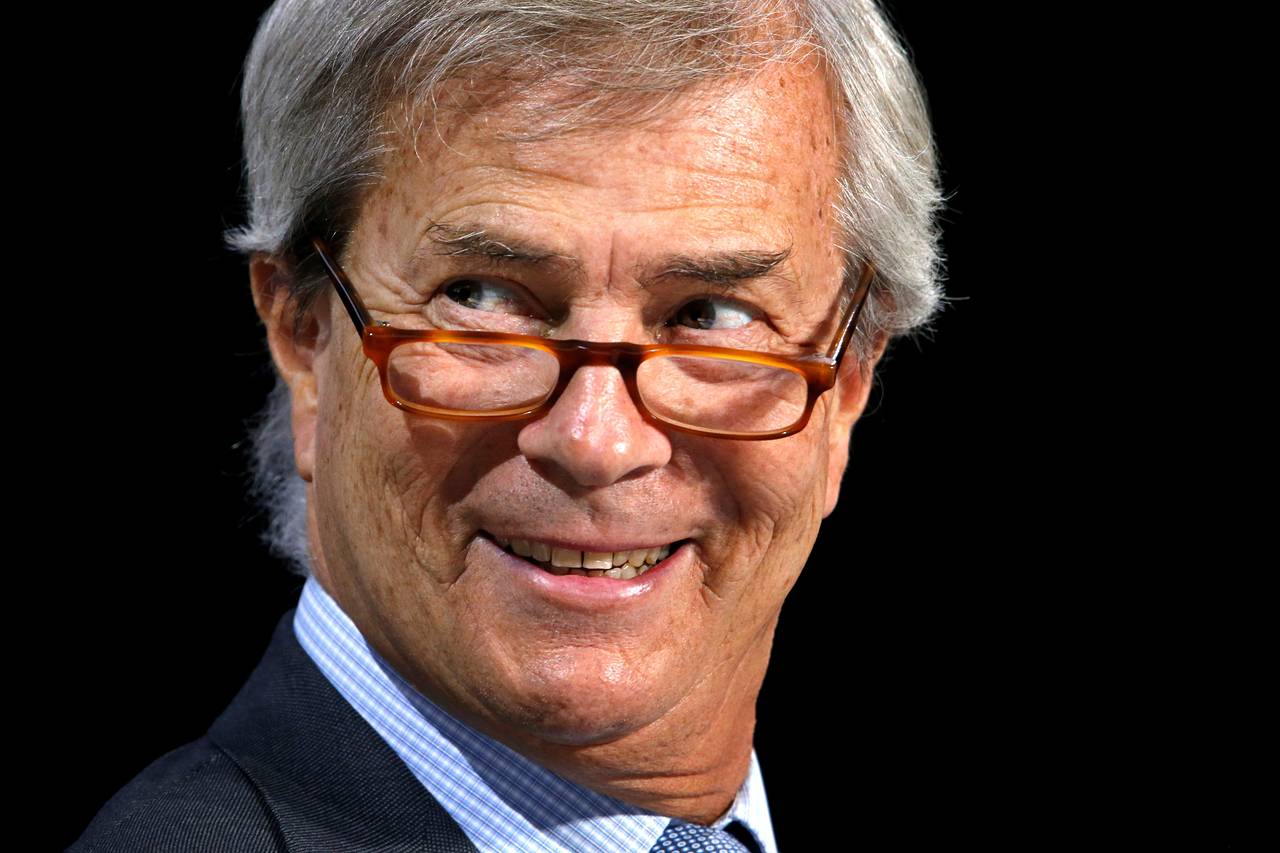
Before commencing the process to go public, UMG was 100% owned by Vivendi, a French telecom and media giant tightly connected to the Bolloré family.
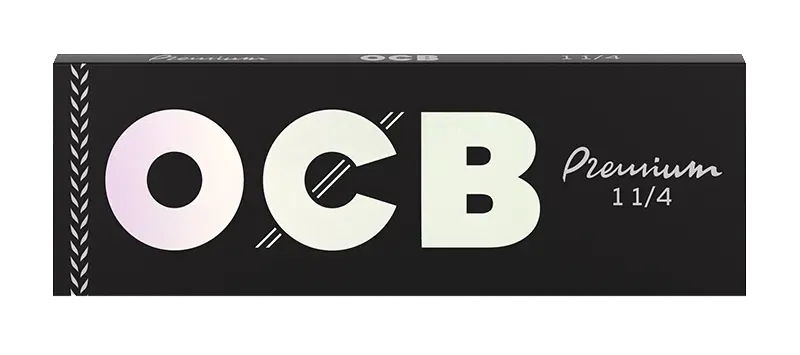
Does this brand of rolling papers look familiar? The B in OCB stands for Bolloré and the company producing them was founded 200 years ago!
UMG was 100% owned by Vivendi. Then Vivendi sold 20% to a Tencent-led consortium, later selling 10% to Pershing Square, and distributed 60% of UMG to its shareholders in a 2021 Amsterdam listing, while retaining 10% itself.
Five years later and UMG still carries signs of its Vivendi-subsidiary past and subsequent spinoff in Amsterdam.
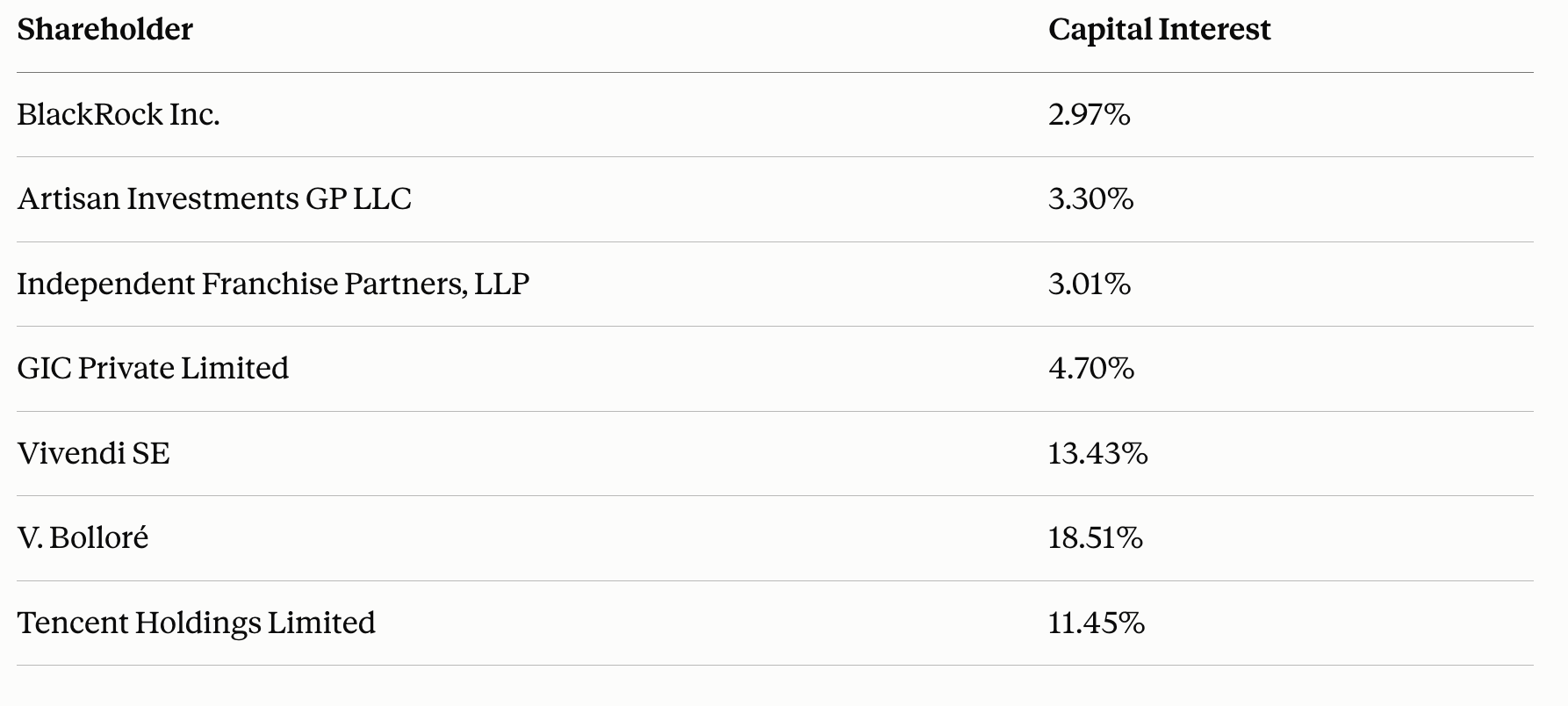
The Bolloré/Vivendi bloc and Tencent remain the key strategic holders.
These three holders have a voting agreement between them – making them effectively a coordinated bloc. Their ownership adds up to 43.39%, a few percentages away from actual control.
Ackman's Pershing is no longer a shareholder after having its acquisition offer to take over the company rejected this June. This is the second time Ackman's plans regarding Universal have failed, after previously trying to get a SPAC-type vehicle running back in 2021.
The SEC pushed back against it and that's how Pershing Square proper ended up buying that 10%.
To understand the significance of this ownership structure on the company's valuation, we can distinguish it with other publicly-listed businesses without control groups calling the shots 👇
While the typical publicly-listed global business has a business wrapped around an ownership structure – Universal has an ownership structure wrapped around a business!
Universal's business value comes from recurring streaming and publishing revenue, a global catalog, and the promise of Streaming 2.0 – something we will expand on in the piece.
But besides this, the market is worried about:
- Content dynamics & economics
- The threat of AI
- UMG's Corporate Governance
Let's now compare the UMG business model with Netflix, examine the role of DSPs (i.e. Digital Music Platforms, like Spotify and Apple Music) and draw conclusions about the trajectory of UMG's wholesale revenue and broader business.